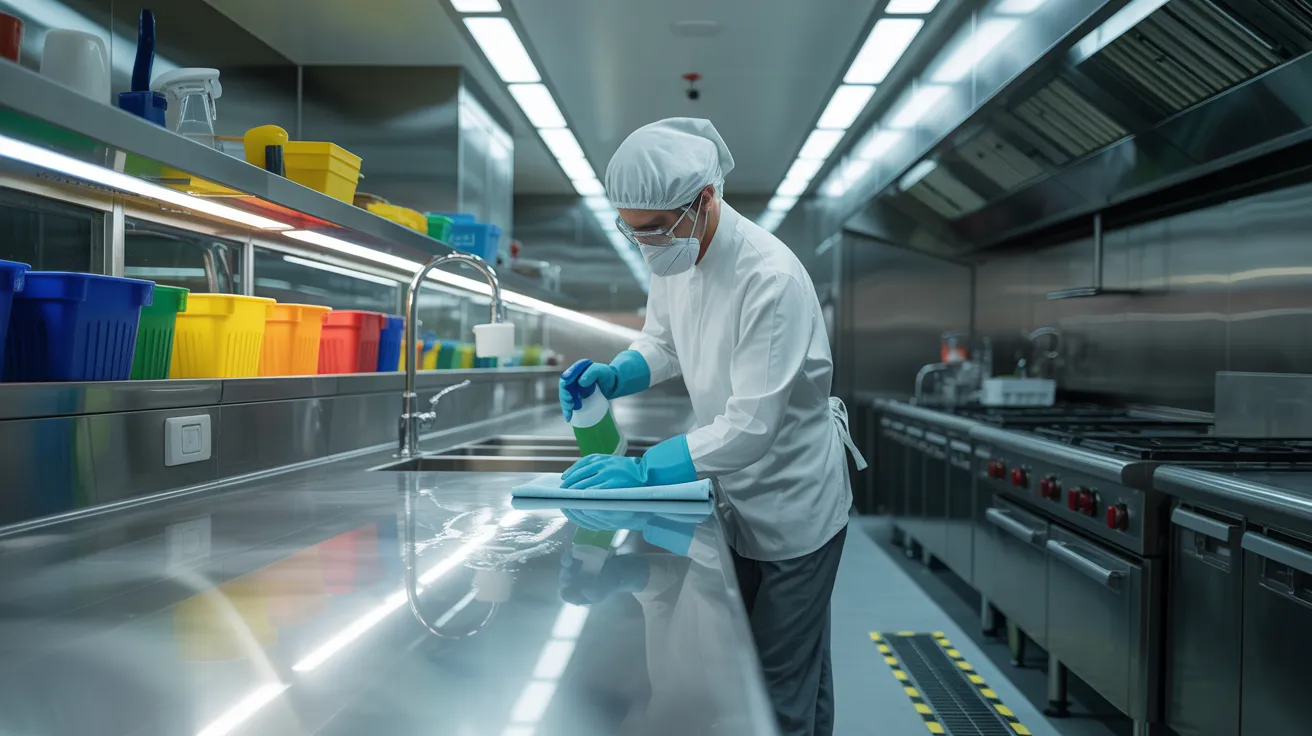
Brampton food safety and commercial cleaning experts help you keep dining establishments, food distribution centers, baking facilities, warehouses, and food service vehicles sanitized to standards. They disinfect high-touch points, food preparation areas, equipment, floors, drains, restrooms, and food prep areas using approved chemicals, proper concentration, and documented contact times. in maintaining dining venues, commissaries, baking operations, warehouses, and mobile food operations to code. They sanitize high-touch points, food-contact surfaces, equipment, floors, drains, restrooms, and food handling zones with approved chemicals, correct concentration, and documented exposure durations.
Essential Summary
- Sanitation professionals in Brampton cater to restaurants, grocery departments, commissaries, warehouses, bakeries, schools, mobile vendors, and allergen-sensitive operations.
- Cross-contamination elimination is accomplished by treating frequently contacted areas, food-contact equipment, kitchens, floors, drains, restrooms, and storage areas with zone-based workflows.
- Approved sanitizer dilution, alignment, and contact time are confirmed by certified providers, with finalization documented via checks, audits, and remedial documentation.
- Danger, throughput, changeovers, spills, and guidelines ought to direct maintenance calendars, with routine, periodic, and seasonal operations distributed by area.
- Liability, color-coded tools, HACCP, health regulatory competency, safety training instruction, endorsements, and assessment-ready maintenance records are important contractor characteristics.
What Brampton Operations Require Food Safety Cleaning?
Any Brampton facility that manages, stores, prepares, packages, or serves food needs food sanitation. You must apply it if your operation falls under public health review, food rules, or HACCP systems. That requirement covers food service venues, employee cafes, supply centers, retail departments, meat shops, fish areas, local stores, and institutional food prep areas.
You also need documented food sanitation in distribution centers, food processing plants, freezer facilities, commercial bakeries, educational nutrition programs, event spaces, and catering hubs. Mobile and seasonal operations count too, including mobile kitchens, festival sellers, and temporary food stands. If your staff process ingredients, portion ready-to-eat items, reheat products, or store allergens, your facility needs written cleaning standards. In Brampton, cleanliness isn't voluntary; it's part of lawful, functional, and customer safety adherence.
What Do Brampton Cleaning Experts Clean?
Professional cleaning teams specializing in Brampton sanitize touched surfaces, food preparation areas, ground surfaces, and sanitary facilities to satisfy food safety standards and health requirements. Focus on these locations stems from extreme cross-contamination risk, injury hazards, and compliance issues.
Knowing their service areas allows you to confirm your facility's cleaning meets required standards and regulations.
Prioritizing High-Touch Surface Sanitizing
arrange disinfection intervals determined by traffic, contamination risk, and operational use.
establishing unidirectional processes, and separating cleaning materials according to location
Cooking Zones, Walking Surfaces, and Restroom Environments
Brampton cleaning professionals will address kitchens, floors, and restrooms since each space presents different hygiene concerns, injury, and public health challenges. In industrial kitchens, you need grease removal from cooking stations, appliance surfaces, drain systems, preparation areas, and backsplashes to reduce bacterial growth and pest activity.
Documented floor care is also provided as part of the service.
In restrooms, cleaners treat touchpoints, fixtures, partitions, dispensers, and waste containers then refill supplies and eliminate odor. They also maintain restaurant cleaning supply rooms where product storage, sink cleanliness, and drain systems impact daily sanitation standards and worker protection.
How Food Safety Cleaning Benefits Brampton Operations
Brampton facilities demand food-safe cleaning standards to meet compliance obligations and pass audits. You also reduce bacterial spread through proper cleaning of food-preparation surfaces, appliances, and frequently-touched items. Most importantly, you safeguard community wellness by reducing the chance of food poisoning in your establishment.
Sanitary Standards Adherence
Since Brampton food operations must follow strict public health standards, your hygiene maintenance directly impacts your ability to meet health codes, protect diners, and avoid regulatory penalties. You must maintain hygienic food handling zones, verifiable cleaning logs, correct sanitizer application, and auditable operational standards that comply with municipal and provincial inspection expectations.
Robust cleaning records enable you to prove due diligence during compliance reviews and demonstrate your practices remain uniform, consistent, and documented. Effective sanitation additionally facilitates cross-contamination prevention by decreasing contaminants on shared equipment and high-touch areas.
Cross-Contamination Management
Maintaining health code standards copyrights on your power to stop cross-contamination during everyday food preparation and sanitation. You must separate raw ingredients from ready-to-eat foods, sterilize work zones between assignments, and position cleaning agents away from food surfaces. Clear procedures reduce transfer risks and support consistent compliance during inspections.
Building allergen segregation prevents priority allergens from contacting shared surfaces, containers, or equipment. Utilize dedicated cutting boards, color-coded tools, and precise instrument labeling so team members won't blend products in cooking or serving.Mandate hand cleaning following raw meat, seafood, eggs, or allergen-containing products. Refresh cleaning cloths frequently, and confirm disinfectant efficacy using test strips. When you train staff to follow these controls every shift, you create a cleaner, safer operation that meets Brampton's food safety expectations daily.
Community Health Assurance
When sanitation efforts weaken, you don't only face inspection setbacks—you raise the likelihood of food contamination affecting customers, staff, and the larger Brampton community. You also undermine your responsibility in safeguarding community wellness, especially in high-traffic food premises where contamination can spread quickly through surfaces, equipment, and touchpoints.
You depend on sanitation protocols that eliminate contaminants, effectively sanitize, and verify results. This involves maintaining contact periods, utilizing authorized sanitizers, recording schedules, and training employees to meet compliance standards. These initiatives promote pathogen control by suppressing pathogens before contaminating food or hands. In Brampton, robust sanitation protects at-risk groups, minimizes disease spread, and proves your diligence. When you adhere to proper protocols, you exceed requirements—you substantially reduce risk and promote secure food service across the region.
Why Is Cleaning Essential for Food Safety Compliance?
Upholding rigorous cleaning routines backs food safety compliance by lowering contamination exposure, preventing pathogen multiplication, and keeping your facility aligned with sanitation requirements under HACCP-based programs and public health regulations. You confirm that food-handling surfaces remain visibly clean and microbiologically controlled, facilitating documented preventive controls and inspection readiness.
Cleaning initiatives additionally amplify allergen mitigation by eliminating residues that can lead to undeclared allergen exposure.
Determining When to Arrange Commercial Cleaning
food-contact areas, bathrooms, and high-contact areas
facility closures, weather-related soil buildup, or pest-control pressure timeframes.
Finding Quality Brampton Cleaning Experts: A Guide
Start by screening providers against food sanitation standards, not price alone. You should verify that each company understands CFIA, public health, and HACCP-aligned expectations relevant to your facility. Ask for proof of insurance, WHMIS compliance, documented staff training, and supervision practices. Review whether technicians understand cross-contamination risks, chemical handling, and traceable sanitation records.
You should further examine service consistency and answerability. Request references from food facilities in Brampton, then review response times, corrective-action procedures, and communication protocols. Validate the company facilitates supplier audits and can present inspection-ready documentation to regulators or third parties. Confirm equipment receives maintenance, colour-coded tools are applied correctly, and site-specific hazards are identified. A experienced service protects compliance, product integrity, and your reputation in the market.
What's covered in a sanitation cleaning strategy?
Put together a written plan that establishes every sanitation task, standard, and responsibility before production begins. You should specify cleaning intervals, permitted substances, dilution percentages, exposure times, instruments, and inspection methods for each sector, surface, and equipment. Make sure to include pre-operational inspections, corrective actions, and employee training requirements.
Your plan should also address cross-contamination controls, waste handling, pest-prevention measures, and documented schedules for facilities, drains, flooring, and food-preparation surfaces. Outline how you'll separate raw and ready-to-eat processes, facilitate ingredient tracking, and keep accurate allergen labeling through validated cleaning between product changes. You should assign accountability, document signed records, and assess results against regulatory standards, HACCP controls, and customer requirements. When gaps appear, update procedures immediately and instruct staff.
Frequently Asked Questions
Can cleaning services support nighttime operations in Brampton properties?
If you manage regulated spaces, you'll also require records that support audits and ensure compliance.
Are emergency spill response services provided from Brampton cleaning experts?
Yes, you can locate Brampton sanitation experts providing hazard containment options. They manage contamination, evaluate risks, isolate contamination, and initiate rapid cleanup to reduce risk and avoid operational impact. You should verify response rates, credentials, PPE measures, and disposal methods. If your facility must adhere to regulations, select a service that tracks incidents, adheres to standards, and supports verification.
Can green disinfectants be used safely on surfaces contacting food?
In essence, green disinfectants prove safe for surfaces contacting food provided you buy items marked read about this food-safe that comply with regulatory standards. Verify exposure duration, mixing proportions, and rinse requirements prior to application. Plant based formulas decrease harsh chemical exposure, although you need evidence of effectiveness against relevant pathogens. For maintaining residue free surfaces, stick to precise manufacturer instructions and ensure the sanitizer complies with applicable food industry sanitation standards.
Do cleaning schedules allow for seasonal production changes?
Yes, you can adjust cleaning schedules for production fluctuations. You should modify timing, personnel, cleaning agents, and confirmation procedures to align with production rhythms while maintaining compliance standards. You'll reduce production downtime by scheduling cleaning around production shifts, maximum output, and operational patterns. You should additionally revise procedural documents, training, and environmental testing to account for temporary risks, additional allergens, or higher contamination levels. Continuous reviews ensure your plan effective.
Are professional cleaning companies providing employee instruction on sanitation best practices?
Certainly, commercial cleaners train your staff on sanitation best practices. You secure employee development on proper chemical use, contact times, cross-contamination prevention, machine disassembly, and documentation. They generally coordinate coaching with HACCP, GMP, and CFIA or regional health bodies standards. Many also run health assessments to check standards, uncover shortcomings, and reinforce corrective actions. This helps you copyright standard processes, satisfy audits, and reduce food safety risks every day.
Closing Remarks
By partnering with Brampton commercial cleaning and food safety experts, you aren't just organizing—you maintain your facility compliance-focused and your standards up to code. From production areas to kitchen zones, every clean surface and maintained corner decreases contamination and prevents costly issues. By scheduling cleanings on the right schedule and following a documented cleaning plan, you protect staff members, clients, and your standing. In a heavily controlled environment, hygienic conditions are mandatory—they're essential to successful operations.